Until the 1960s, one dogma ruled surgery and outpatient wound care: dry the wound. Open air, hydrogen peroxide, brilliant green, dry gauze. The reasoning went — if a scab forms, healing must be progressing.
In 1962 the British researcher George Winter published the work that flipped the entire approach. He demonstrated that wounds re-epithelialise twice as fast in a moist environment as they do under a dry crust.
Sixty years on, the moisture-balance principle — keeping the wound bed neither too dry nor too wet — is the international standard of wound care.
Why a dry crust is bad
A scab on a wound looks like protection, but in practice it:
- Blocks epithelial migration. New skin cells can only move through a moist environment. Under a dry crust they're forced to migrate deeper, lengthening the whole process.
- Masks infection. Pus accumulation can hide under a scab until it has already spread.
- Cracks with movement. Especially at flex points — every crack restarts inflammation.
- Comes off traumatically. Removing a dry dressing stuck to a crust means pain plus re-injury.
What "properly moist" actually means
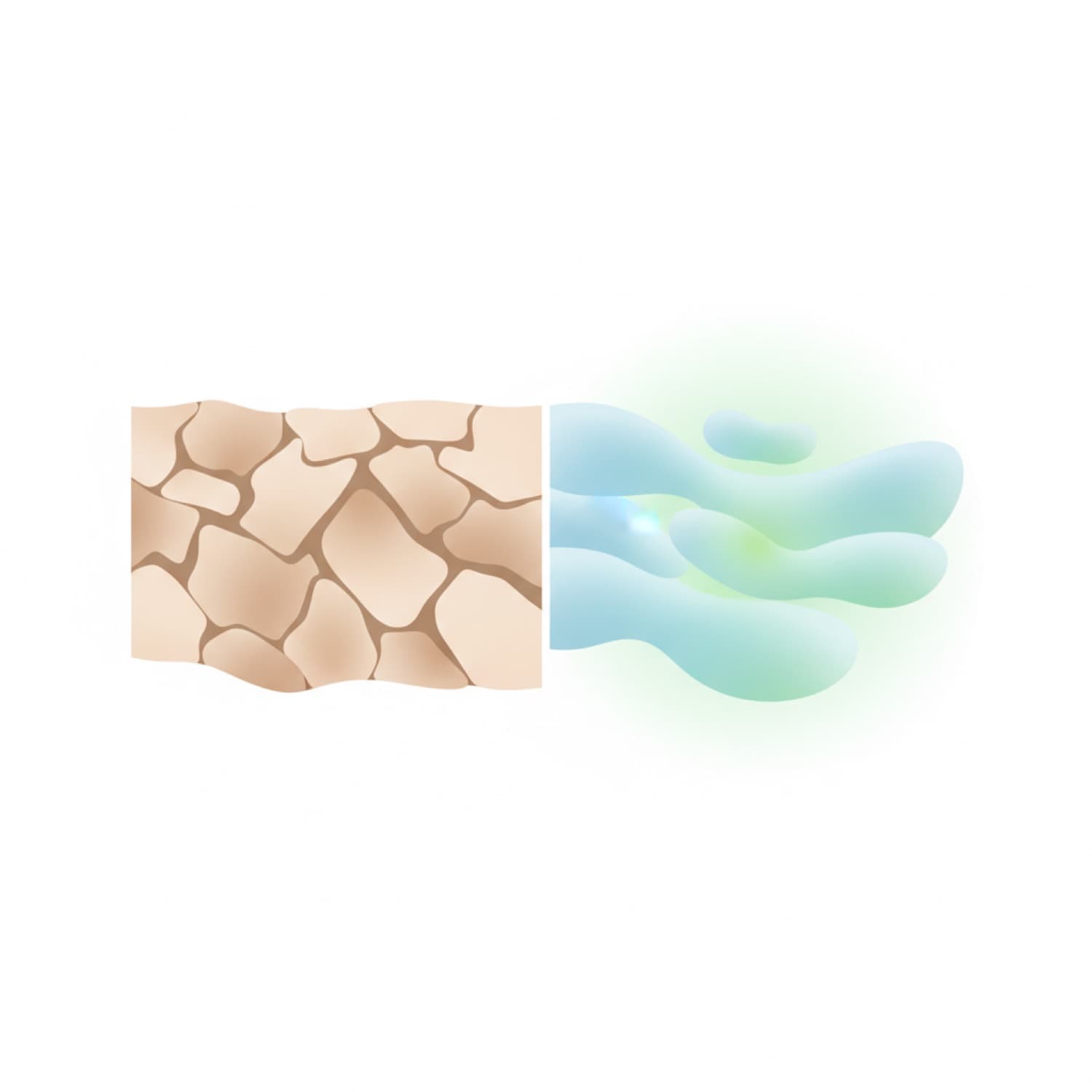
An over-wet wound is just as bad — macerated edges, bacterial overgrowth, slow epithelialisation. The goal is balance: enough moisture for cells to migrate, not so much that surrounding skin softens and breaks down.
This is precisely what modern wound care tries to deliver:
- Hydrogels — for dry wounds, they add moisture.
- Alginates — for wet wounds, they soak up excess exudate.
- Enzymatic gels — a combined approach that adapts to the wound's current state.
The TIME framework
The modern standard for assessing a chronic wound is TIME: Tissue (necrosis / granulation), Infection (infection / biofilm), Moisture (moisture balance), Edge (wound-edge epithelialisation).
Each letter is a separate task in the treatment protocol.
Why chronic wounds are especially demanding
An acute wound on a healthy person closes in 1–2 weeks with almost any reasonable care. A chronic wound — a diabetic ulcer, a pressure injury, a venous leg ulcer — can stay open for months.
The reasons:
- Impaired microcirculation (diabetes, atherosclerosis).
- Persistent pressure (pressure injuries in bed-bound patients).
- Biofilm — a stable microbial layer that antibiotics struggle to penetrate.
- A dry environment under ordinary gauze — cells can't migrate.
In these conditions the right moist environment isn't a "nice to have", it's the decisive factor that determines whether the wound closes at all.
Where Flaminal comes in
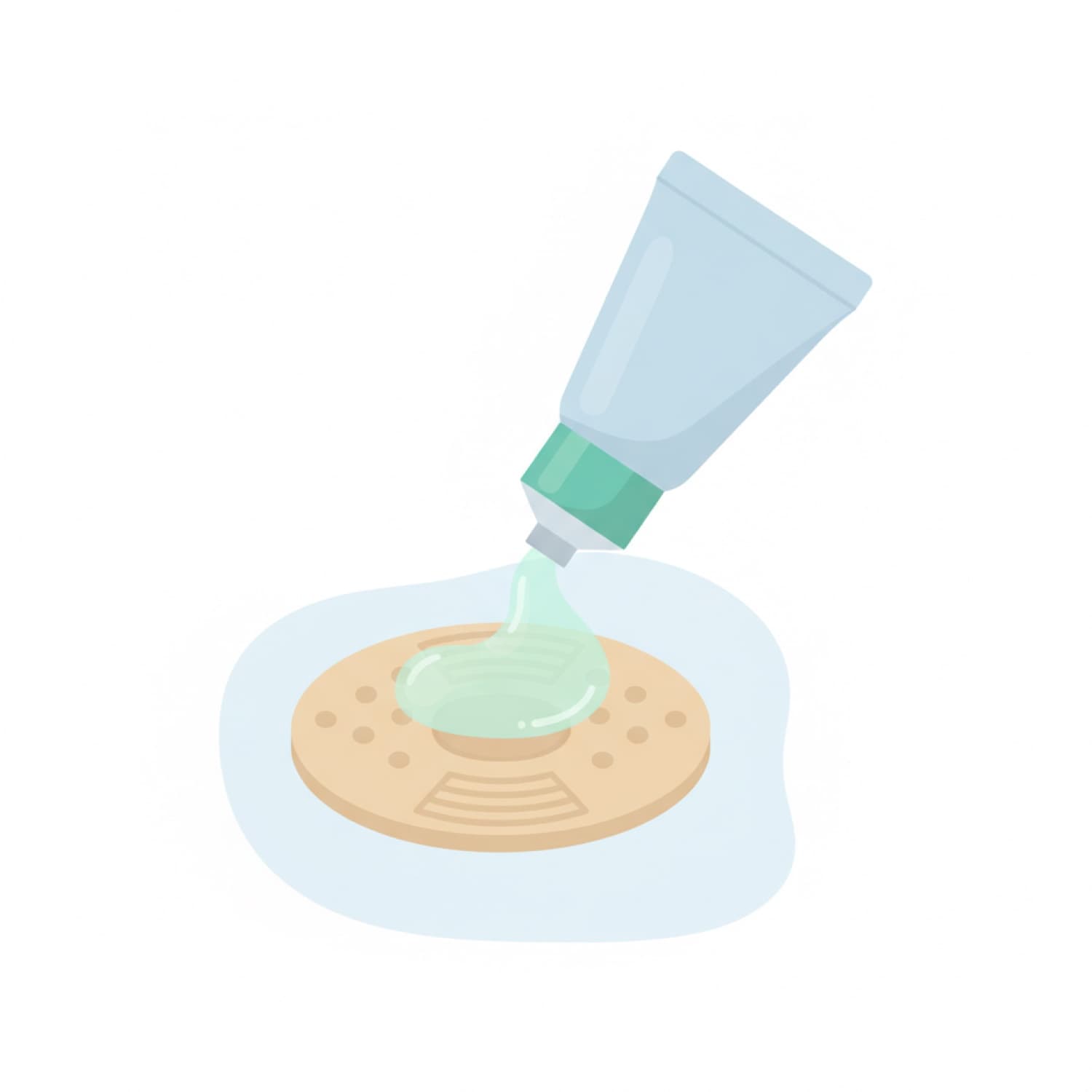
Flaminal is an enzymatic alginate gel developed by the Belgian company Flen Health. It works on three TIME elements at once:
- T (Tissue) — enzymes break down necrotic tissue and fibrin (gentle autolytic debridement).
- I (Infection) — antimicrobial activity without antibiotics (important when antimicrobial resistance is a concern).
- M (Moisture) — the gel retains moisture while absorbing excess exudate.
Application is straightforward — a 4–5 mm layer, a secondary dressing, changes every 1–4 days depending on exudate.
When it doesn't work
A moist environment is a powerful tool, but not magic. It won't help if:
- The root cause isn't controlled. A diabetic ulcer won't close without glycemic control and offloading — no dressing will substitute.
- There is deep necrotic tissue. Surgical debridement first, then gel.
- There is severe limb ischemia. Revascularisation first, then wound care.