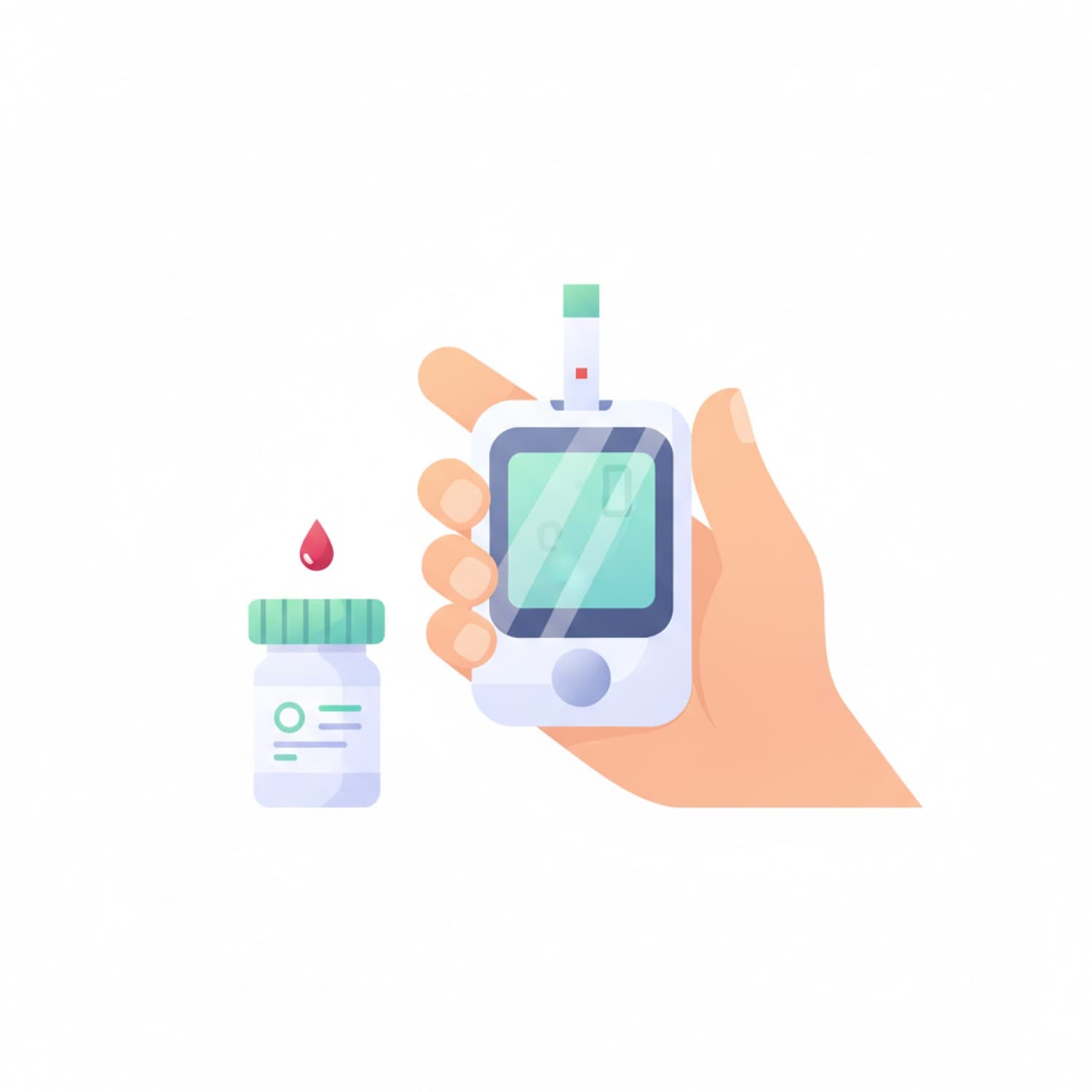
For someone living with diabetes, a glucometer is a daily-life tool — as routine as a toothbrush. Its accuracy determines whether the insulin dose is right, whether hypoglycemia gets caught in time, and ultimately how good life feels day to day. Let's look at what really matters when you choose one.
Accuracy — the single most important criterion
The international standard ISO 15197:2013 requires that 95% of glucometer readings at glucose levels ≥5.55 mmol/L fall within ±15% of the lab value, and at levels below 5.55 mmol/L within ±0.83 mmol/L.
What to look for on the box
The phrase "complies with ISO 15197:2013" or "EN ISO 15197:2015" is the minimum bar — don't go below it. Without this certification a device can be off by 30%, which is dangerous when picking an insulin dose.
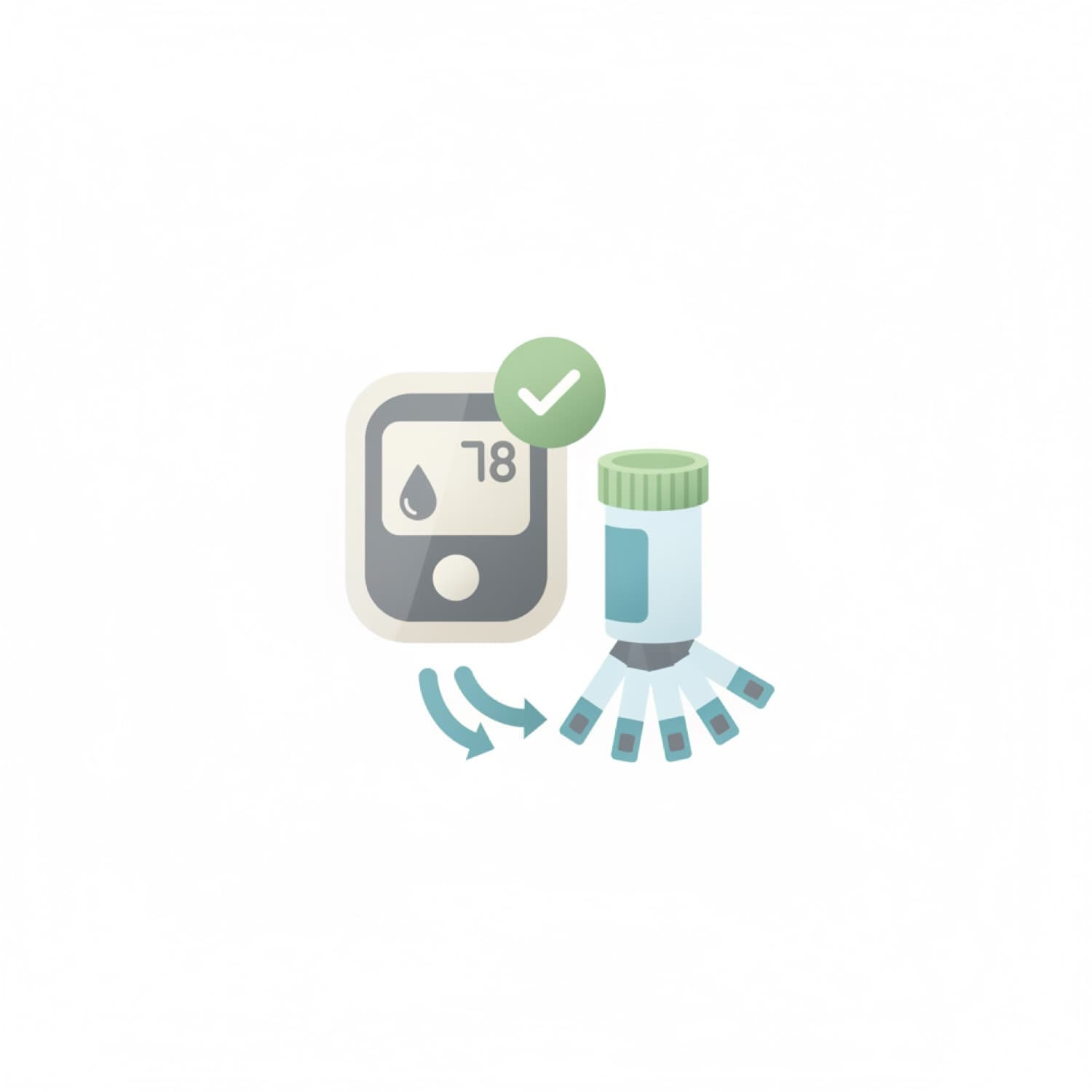
Test-strip cost matters more than the device price
New users often look only at the price of the device itself — but over two years the meter will cost you five times less than the test strips that go with it. If someone measures glucose 5 times a day, that's 150 strips a month, or roughly 1,800 strips a year.
Before you pick a model, check:
- Price of 50 strips in your pharmacy or on the marketplace
- Availability — are strips consistently in stock, will the model be discontinued
- Shelf life after opening the vial — manufacturers range from 3 to 6 months

No coding = fewer errors
Older glucometers required you to enter a code manually with each new batch of strips. A mismatched code produced wrong readings. Modern devices (like iXell) work without coding — eliminating one of the most common sources of error.
What else to look at
Blood sample size. 0.5–0.6 μL is the modern standard. If the device asks for more, it will be hard for a child or an elderly person to produce enough.
Measurement time. 5 seconds is comfortable. Longer is irritating, especially in public.
Memory. It's good to have 300+ readings stored with date and time. You need it for the conversation with your endocrinologist — show up with a clear picture of the past month.
Alternative sampling sites. The option to draw blood from the forearm or palm is less painful when testing frequently.
Warranty. 5 years signals confidence in the hardware.
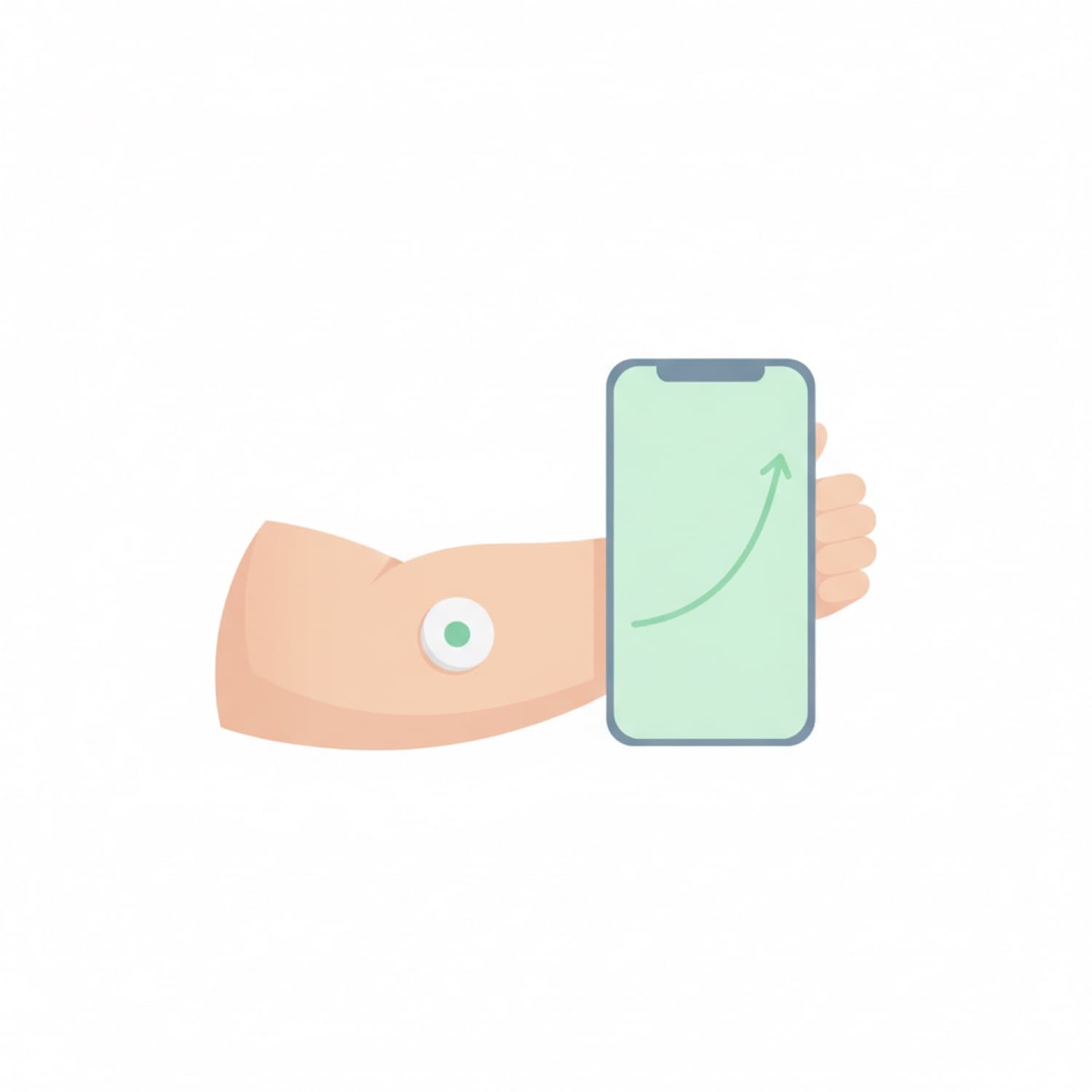
When CGM makes more sense than a glucometer
If your doctor is talking about moving you to intensive insulin therapy, or if you have frequent hypoglycemia, it's worth discussing a continuous glucose monitor. A CGM sensor costs more, but it doesn't require daily finger pricks and gives you a curve every 5 minutes. More detail in our piece What is CGM and who needs it.
Buying checklist
- [ ] ISO 15197:2013 certified
- [ ] Test-strip price works over a one-year horizon
- [ ] Strips reliably available in your city
- [ ] No coding required
- [ ] 0.5–0.6 μL drop
- [ ] Warranty 3+ years
- [ ] Can export data / sync with an app
If something on this list isn't clear — call us, we'll help you choose for your situation.