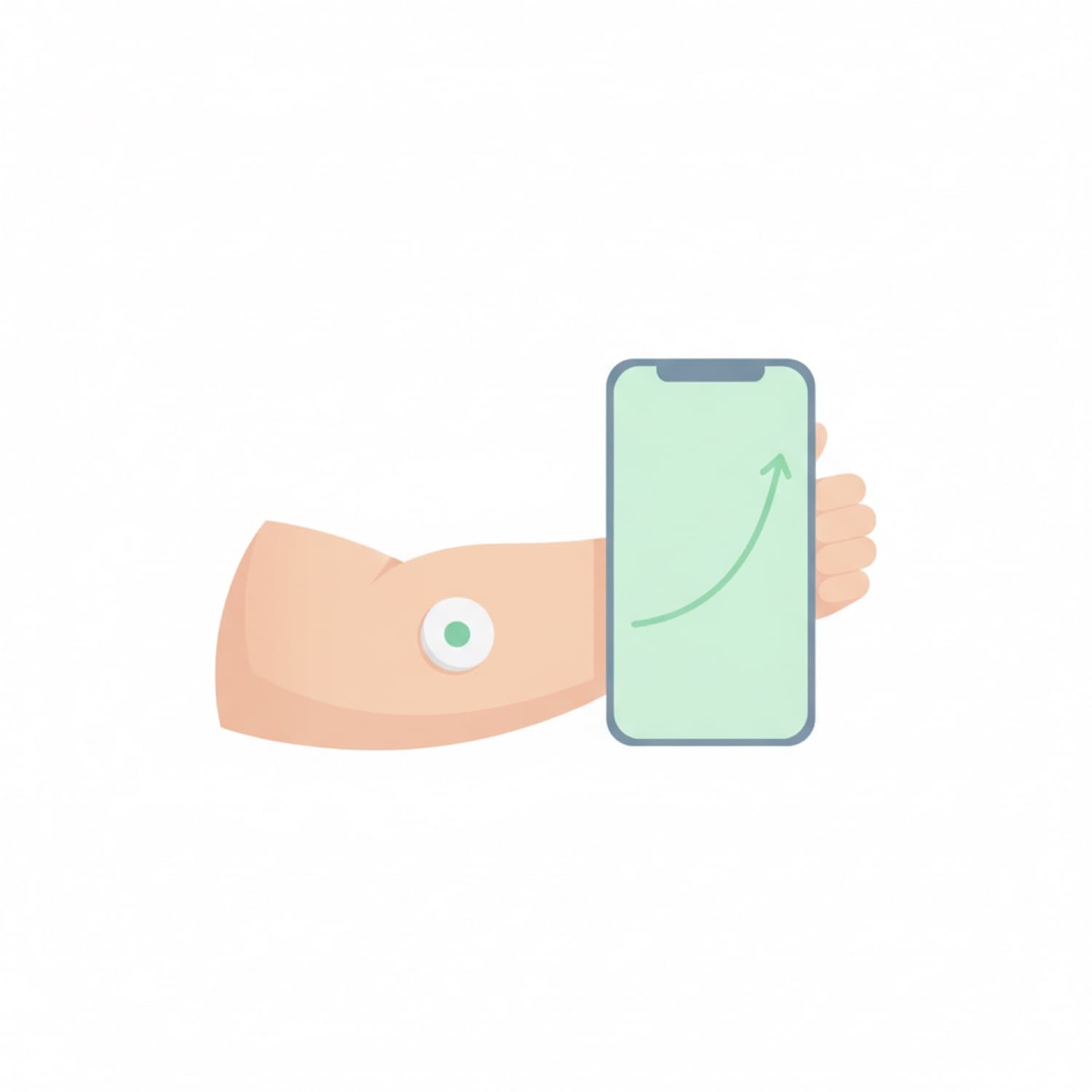
If you or a loved one lives with diabetes, you already know what a day of finger pricks looks like — not once or twice, but 8, 10, sometimes 12 times a day, just to keep track of how blood sugar is behaving.
Continuous glucose monitoring (CGM) systems change that script. A single sensor, applied once every two weeks, reads glucose every 5 minutes — that's 288 readings per day, without a single finger prick.
How CGM differs from a regular glucometer
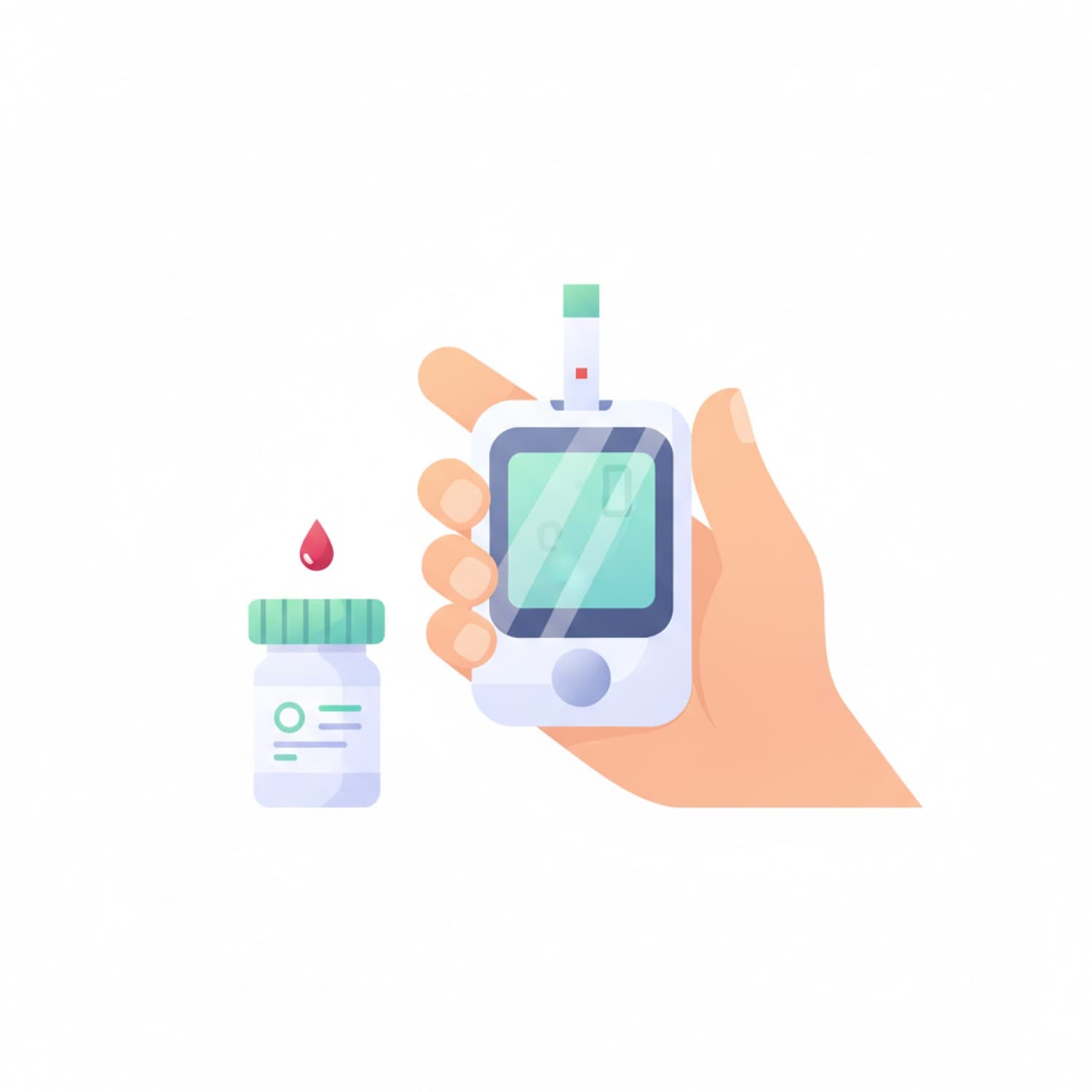
A glucometer gives you a point-in-time number — a snapshot. You prick a finger, place a drop of blood on the strip, see 6.8 mmol/L. What happened five minutes ago, what will happen in fifteen — unknown.
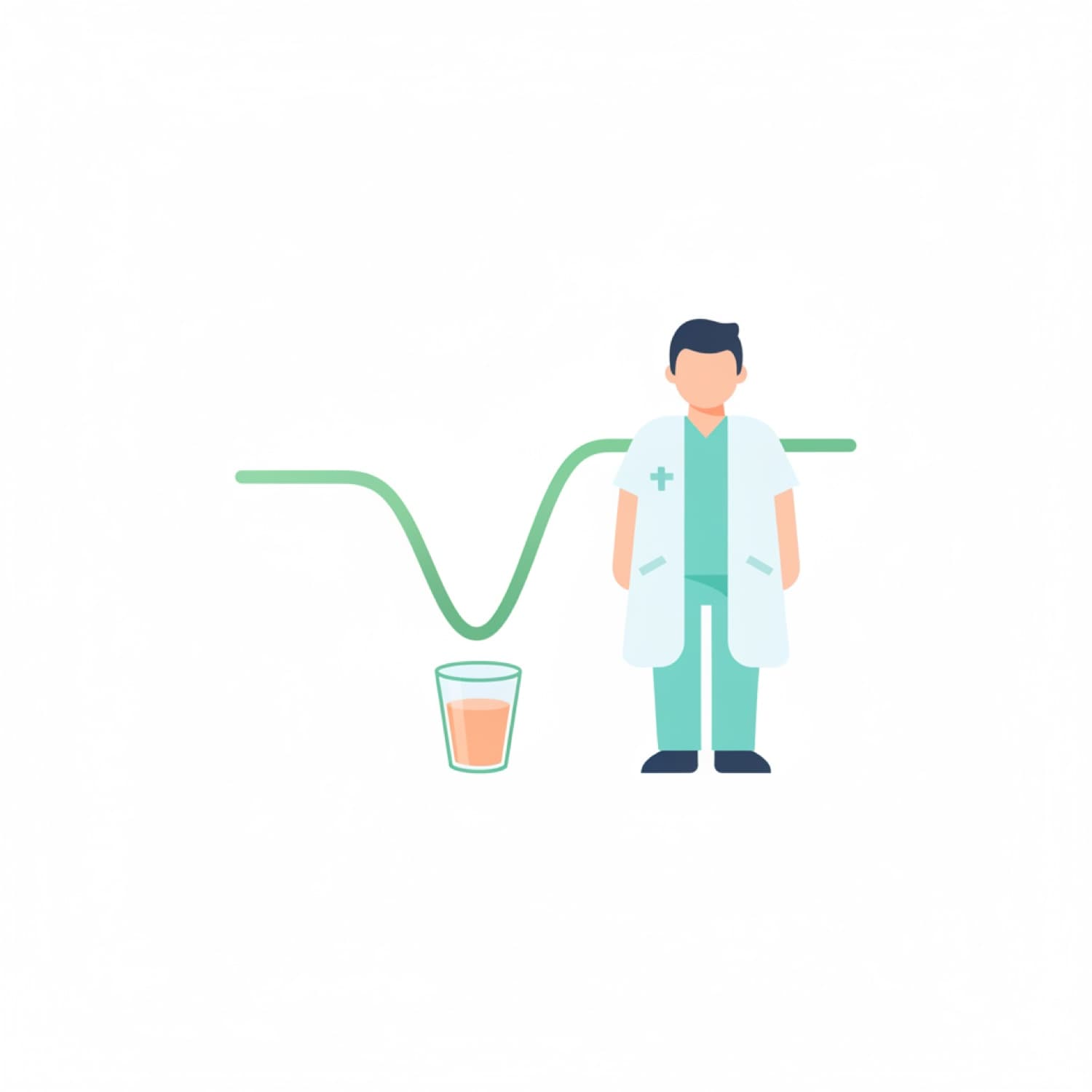
CGM measures trend. You don't just see the current number — you see a curve: glucose climbing or falling, how steeply, how it reacts to food, exercise, insulin.
The core difference
A glucometer is a photograph. CGM is a video.
How the sensor works
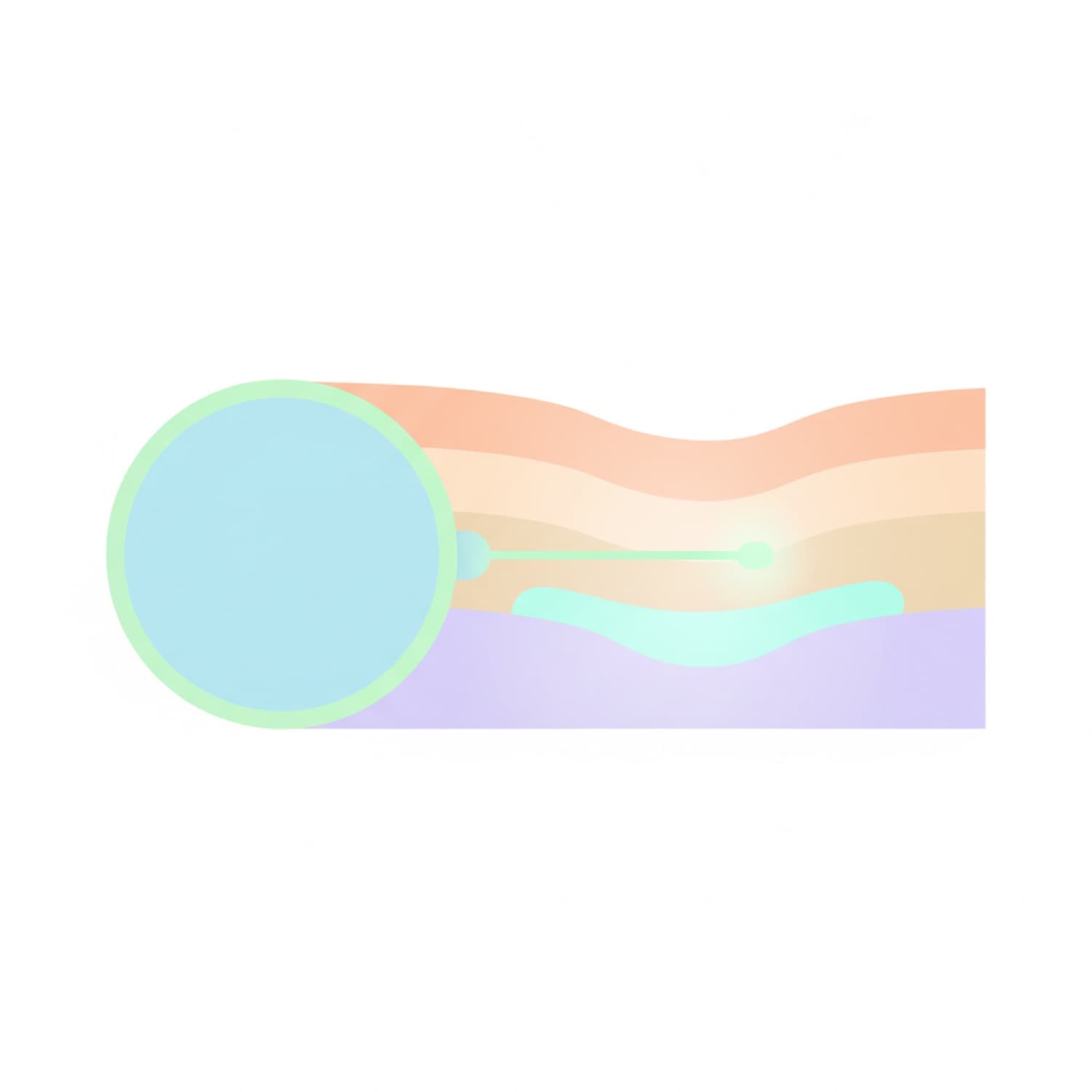
The sensor is a thin filament about the width of a hair, applied under the skin of the upper arm for 14 days. It doesn't measure glucose in the blood — it measures it in the interstitial fluid. The placement is painless because there are almost no nerve endings in that layer.
Every 5 minutes the reading is sent via Bluetooth to a smartphone app. If connection drops (phone in another room, for example), the sensor stores the data locally and sends it once the phone is back in range.
Who benefits from CGM
Continuous glucose monitoring is most useful for:
- People with type 1 diabetes on intensive insulin therapy — to prevent hypoglycemia and fine-tune basal rates.
- Pregnant women with diabetes — where time-in-range is critical for fetal health.
- Patients with advanced type 2 diabetes on insulin — to see the complete 24-hour picture.
- Athletes and active people with diabetes — to understand how glucose responds to exertion.
CGM does not fully replace a glucometer: it's recommended to confirm with a finger-prick reading in ambiguous situations.
What to look for when choosing
- Sensor wear duration — 14 days is the modern standard.
- Accuracy (MARD) — modern sensors have MARD below 10%; lower is better.
- High/low alerts — configurable notifications when you go out of range.
- App compatibility — xDrip+, AAPS for advanced users, or the manufacturer's official app.
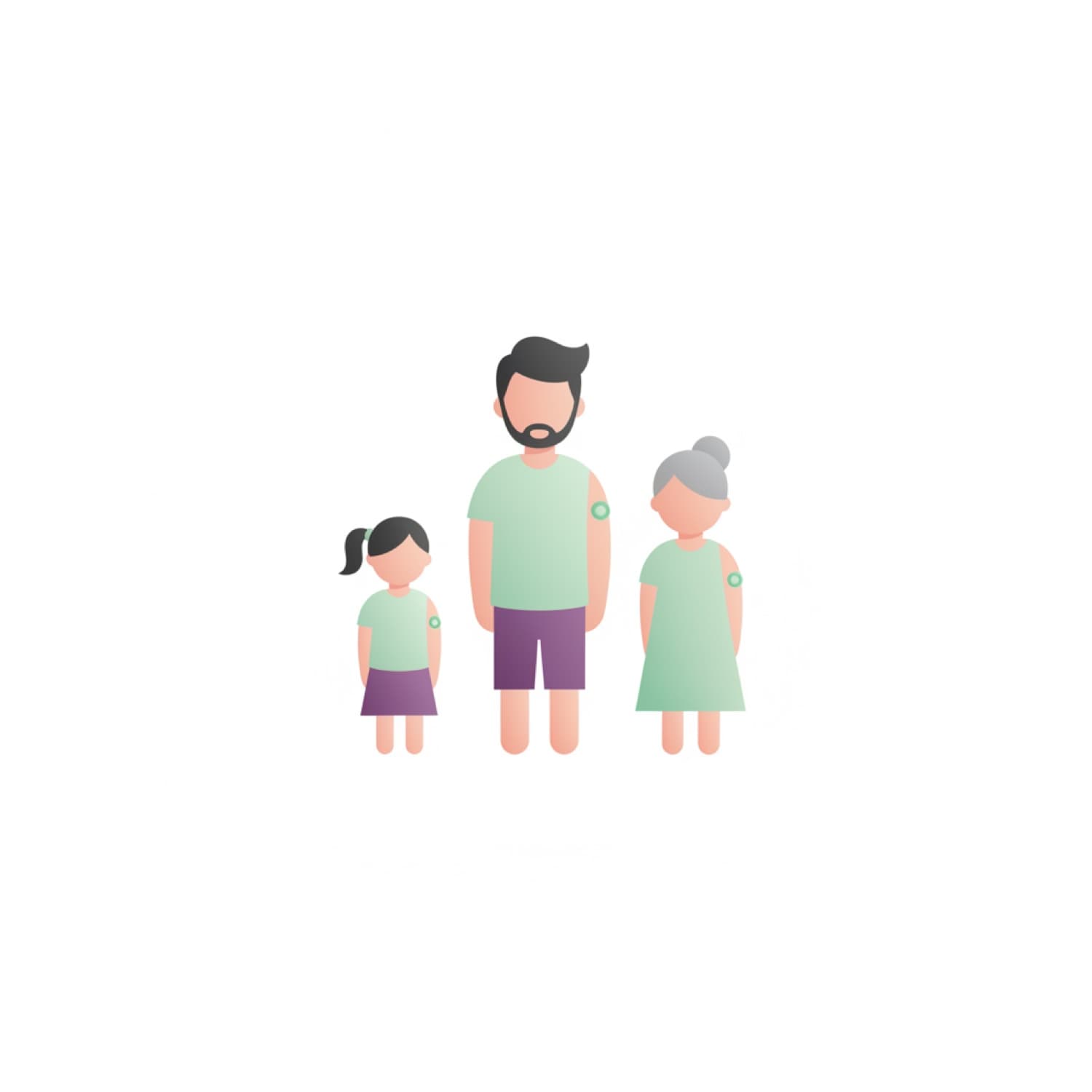
- Data sharing — parents of a child with diabetes can see real-time glucose remotely.
What's next
If you want to try CGM in Uzbekistan — Syai is available with us. It's a next-generation system with 8.1% MARD, 14 days of wear, and IP28 water resistance (you can swim with it).