
ENT surgery and epistaxis
Tonsillectomy, septoplasty, anterior and posterior epistaxis. An alternative to classic packing with better patient comfort and no need for posterior packing in most cases.
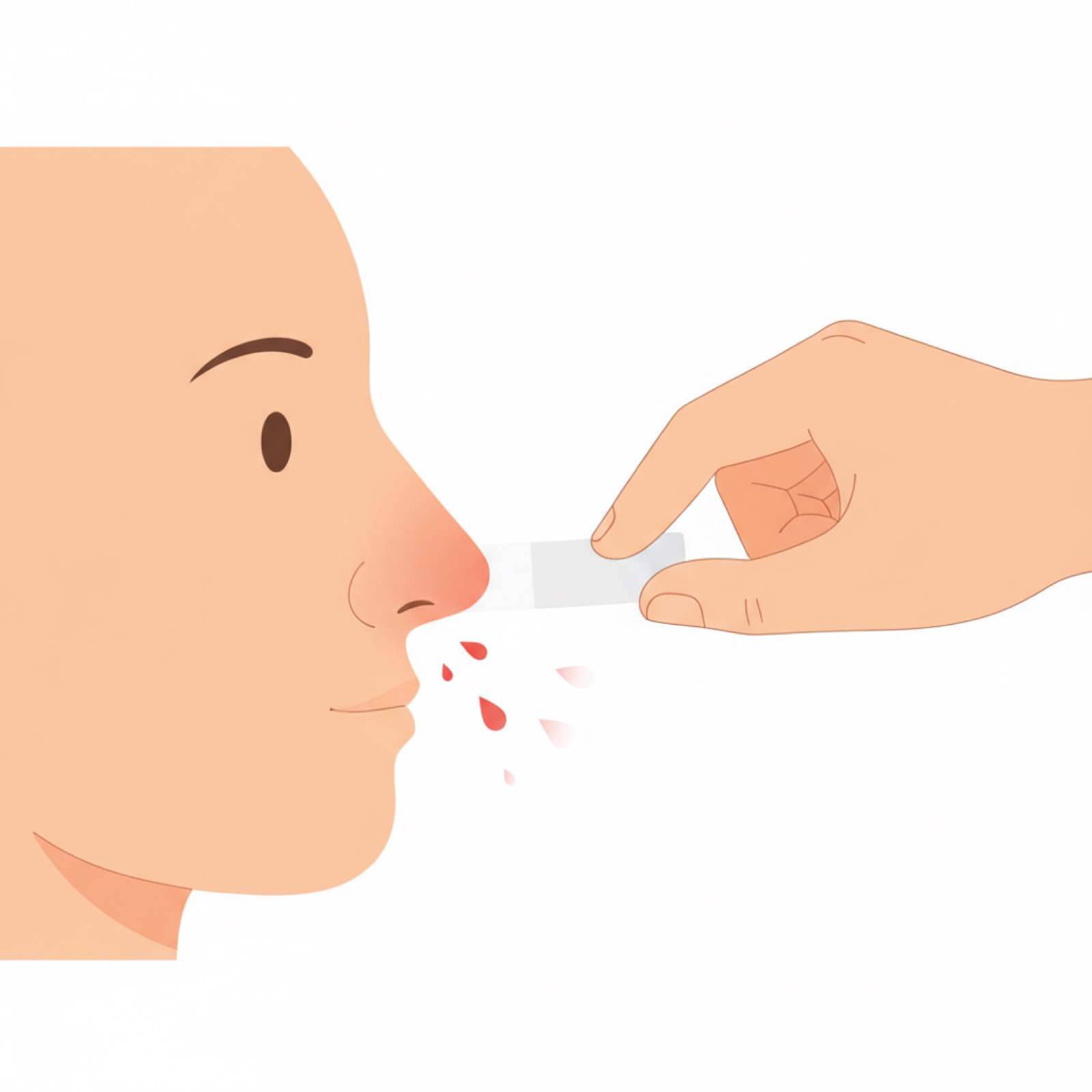
Epistaxis
Nasal bleeding occurs in 60% of adults at least once in life; 6% seek medical care. 90% are anterior (from Kiesselbach's plexus on the anterior septum); 10% are posterior (from sphenopalatine artery branches and Woodruff's plexus). Anterior epistaxis is usually managed in clinic; posterior often requires admission.
Source and severity of epistaxis
Kiesselbach's plexus
Antero-inferior nasal septum. Anastomosis of four arteries (anterior/posterior ethmoidal, superior labial, sphenopalatine). Source of 90% of epistaxis. Visible on anterior rhinoscopy.
Woodruff's plexus
Posterior lateral nasal wall. Source of posterior epistaxis in elderly patients, especially on hypertension and anticoagulants. Hard to visualise, needs endoscopy.
AAO-HNS severity
Mild — stops on its own within 10 min. Moderate — needs a topical hemostat. Severe — haemodynamic instability, transfusion, embolisation.
Epistaxis protocol (AAO-HNS 2020)
Stepwise approach — from compression to vessel catheterisation
15-minute compression
Patient sitting, leaning forward, pressure on the nasal alae with thumb and index finger at Kiesselbach level.
Topical hemostat
Insert BloodSTOP iX® 10×5 cm with a dry instrument into the anterior nasal cavity at source level. Hold pressure for 5 minutes.
Cautery
Chemical (silver nitrate) or electrocautery — only on a visible source, unilateral, avoiding septal perforation.
Posterior pack / SPA block
If unsuccessful — balloon catheter or endoscopic clipping of the sphenopalatine artery. Embolisation is the reserve.
BloodSTOP iX®'s role
BloodSTOP iX® 10×5 cm shifts the old paradigm of classic anterior packing. Unlike a Vaseline-impregnated wick or pneumatic gel pack, the material does not need to be removed — it resorbs in 24–72 hours, eliminating the painful removal procedure and rebleeding risk on removal. After tonsillectomy, it is laid into the fossa under compression.
BloodSTOP iX 10×5 cm
Anterior packing in epistaxis, post-tonsillectomy fossa.
BloodSTOP iX 10×20 cm
Bilateral packing or massive epistaxis in hypertension.
Clinical guidelines
AAO-HNS Clinical Practice Guideline: Nosebleed (Epistaxis)
Tunkel D.E. et al. · Otolaryngology–Head and Neck Surgery · 2020
Comparison of topical hemostats in emergency care — meta-analysis
Spotnitz W.D., Burks S. · Transfusion · 2019
On request
Further reading
More on the manufacturer's site
LifeScience Plus maintains a detailed topic page with clinical cases. Opens in a new tab.