
Implantology and periodontics
Bleeding control in implant placement, sinus lift, bone grafting, and periodontal surgery. Special focus on patients with diabetes, hypertension, and antiplatelet therapy.
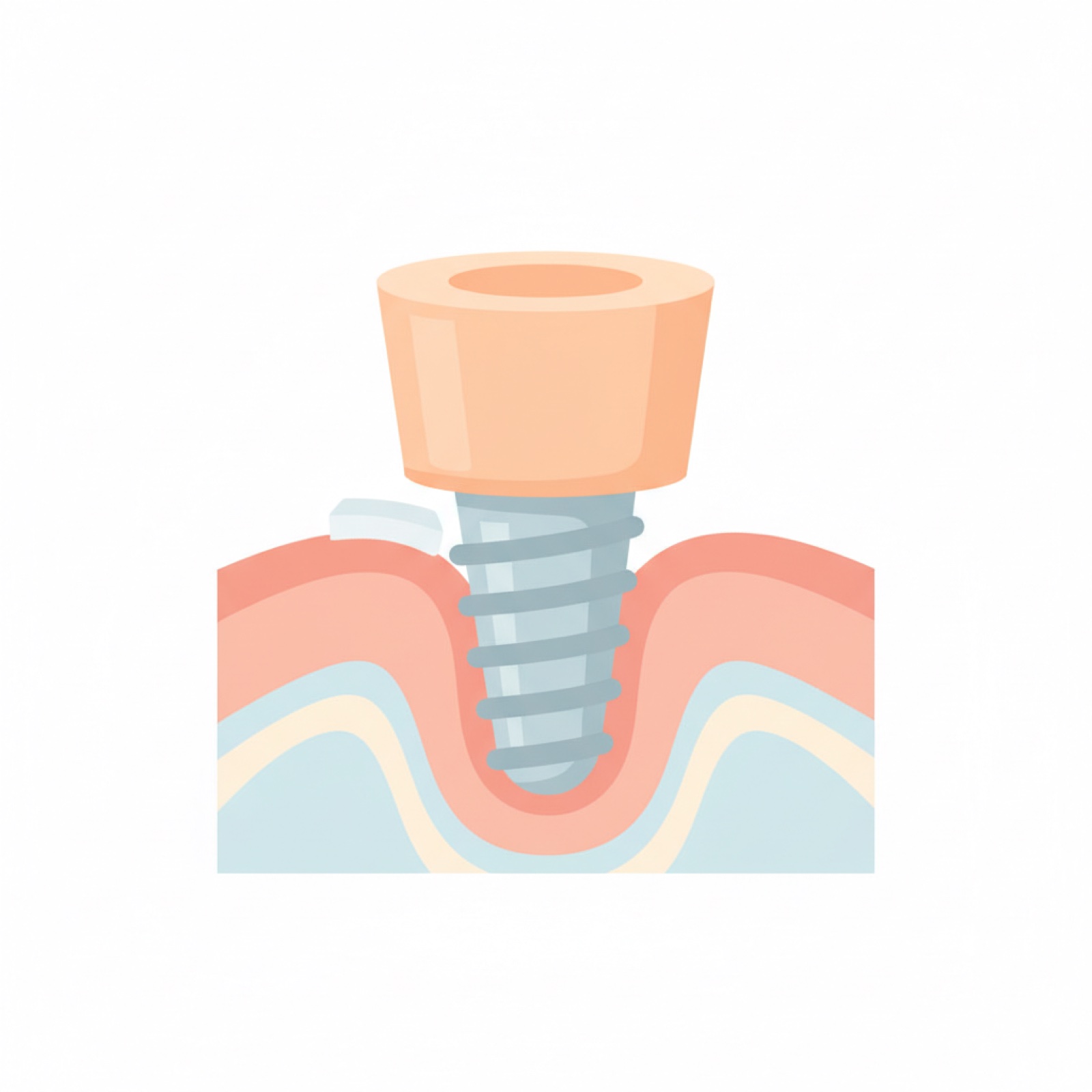
Bleeding in implant surgery
Bleeding in implantology comes from three sources: soft tissue (gingiva, periosteum), cortical bone, and bone marrow. Especially relevant near the inferior alveolar canal, maxillary sinus, and mental foramen. Adequate hemostasis is critical for osseointegration — a hematoma prevents implant-bone contact.
Implant-surgery hemostasis
Site preparation
Gentle drilling with cold saline irrigation reduces thermal damage and reactive hyperaemia.
Topical hemostat
Place BloodSTOP iX® 5×5 cm in the osteotomy site before implant insertion or around the neck. Does not impair osseointegration; fully resorbs.
Membrane and suture
For bone grafting — add a resorbable collagen membrane. Then a tension-free single or mattress suture.
Post-op control
External cold for 15 min × 3 times a day on day one. Check for hematoma and swelling at 24 and 72 hours.
BloodSTOP iX®'s role
Bioresorbable carboxymethyl cellulose forms a gel in the osteotomy and does not disrupt implant-bone contact — unlike collagen-sponge particles that may migrate into the osseointegration zone. Especially valuable in sinus lift where access to the bleeding source is limited.
BloodSTOP iX 5×5 cm
Standard size for the implant osteotomy and gingival defects.
Further reading
More on the manufacturer's site
LifeScience Plus maintains a detailed topic page with clinical cases. Opens in a new tab.