
Burn surgery and donor sites
Hemostasis during necrectomy of deep burns and split-thickness skin graft harvesting. Reduced blood loss and faster donor-site re-epithelialisation.
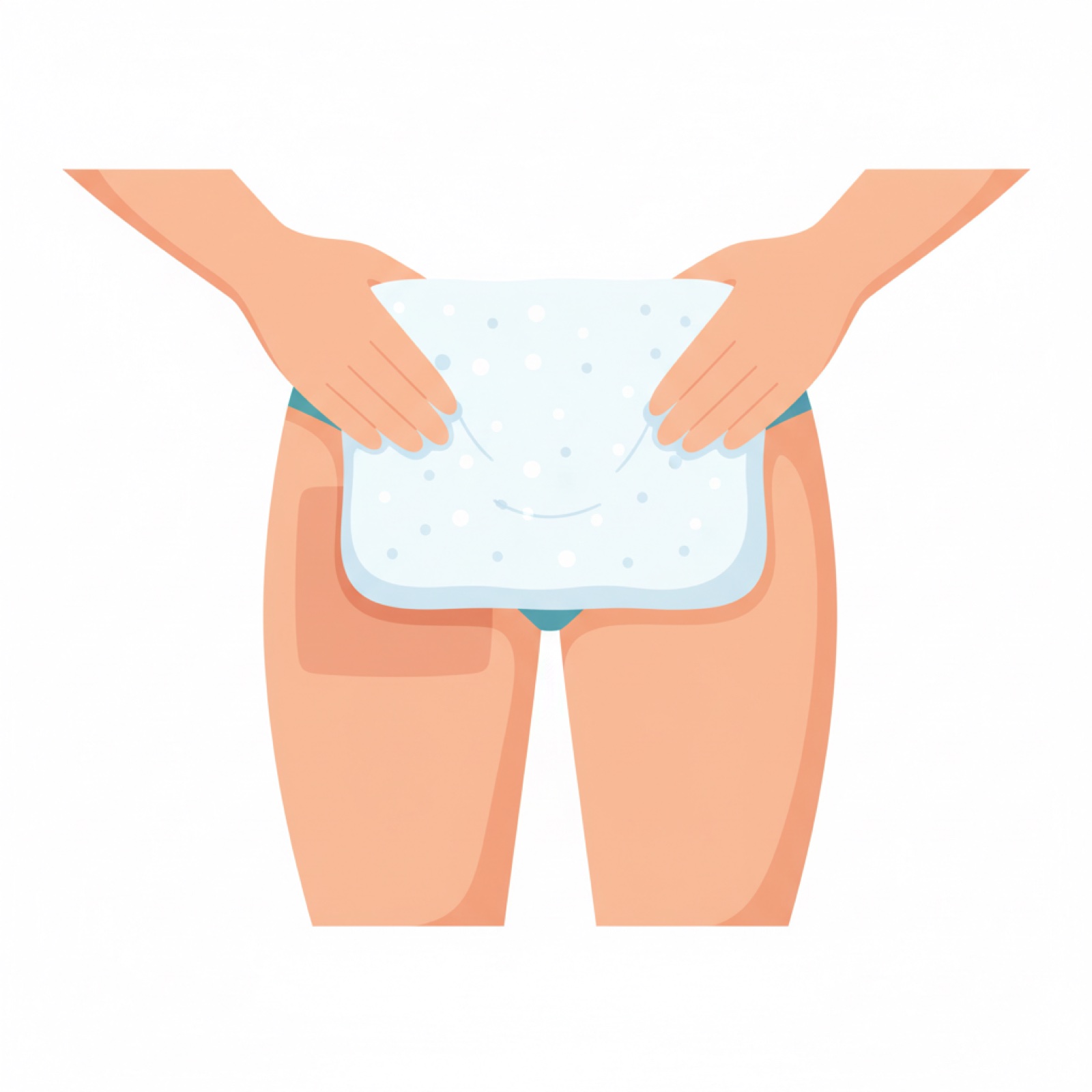
Blood loss in burn surgery
Necrectomy of deep IIb-III burns is accompanied by significant blood loss — up to 200–400 mL per 10% of body surface area. The donor site after split-thickness graft harvest produces diffuse capillary bleeding traditionally managed with epinephrine soaks and calcium alginates.
Blood-loss control
Tourniquet (when possible)
For limb burns — pneumatic tourniquet during necrectomy. Released before coverage to verify hemostasis.
Epinephrine soaks
Gauze soaked in 1:200,000 — 1:500,000 epinephrine, pressed onto the wound for 5 min. Effective for diffuse capillary ooze.
BloodSTOP iX® on the donor site
After active bleeding is controlled, applied to the donor site as the primary dressing. Creates a moist microenvironment that speeds re-epithelialisation (typically 10–14 days vs. 21+ days with dry care).
Wound coverage
Meshed autograft over the wound. Beneath the graft — a thin hemostat layer to control ooze. Secondary dry dressing with fixation.
BloodSTOP iX®'s role
The large 10×20 cm size covers a typical anterior thigh donor site with a single sheet. Beyond hemostasis, the material works as a phase-one moist dressing: it creates the optimal microenvironment for keratinocyte migration from hair follicles and sebaceous glands — which is what closes the donor site fast.
BloodSTOP iX 10×20 cm
Donor site on anterior thigh, buttocks, back.
BloodSTOP iX 10×5 cm
Small donor sites, local burn necrectomy.
Further reading
More on the manufacturer's site
LifeScience Plus maintains a detailed topic page with clinical cases. Opens in a new tab.